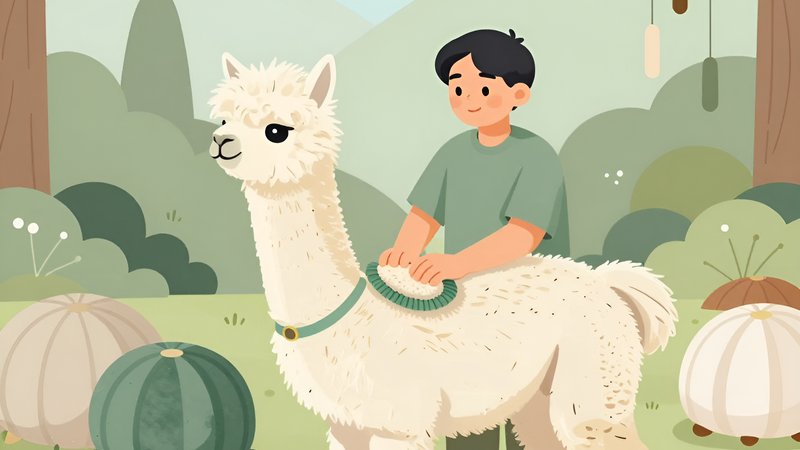
Alpaca Therapy for Neurodivergent Adults in 2026
For adults living with autism or ADHD, the sensory environment of a modern city can be overwhelming, leading to frequent sensory overload and emotional exhaustion. Islay Hill Slots provides a sanctuary where the predictable, gentle nature of alpacas offers a safe space for emotional regulation. In 2026, we have refined our approach to ensure that every interaction is tailored to the specific sensory needs of neurodivergent individuals, focusing on comfort and autonomy.
Understanding Sensory Harmony
Alpacas are uniquely suited for neurodivergent therapy because they are naturally quiet and lack the erratic energy often found in dogs. The soft, consistent texture of their fleece provides a soothing tactile input that can help ground an individual during a period of overstimulation. This sensory harmony allows the visitor to feel safe, reducing the anxiety associated with unpredictable social interactions.
We utilize a 'low-stimulation' introduction process, allowing the visitor to observe the animals from a distance before choosing when to approach. This autonomy is crucial, as it empowers the individual to control their environment. By removing the pressure of immediate interaction, we create a foundation of trust that makes the eventual physical connection far more impactful and therapeutically beneficial.
Predictable Behavior
Alpacas offer a stable emotional presence that reduces anxiety.
Tactile Comfort
The fleece acts as a natural sensory tool for grounding.
Quiet Environment
Our pastures are designed to minimize auditory triggers.
Developing Non-Verbal Communication
Many neurodivergent adults find traditional talk therapy challenging due to the pressures of eye contact and verbal nuance. Alpacas communicate through subtle body language—the flick of an ear or a gentle lean—which is often easier to interpret than human social cues. Learning to read an alpaca's mood helps visitors practice empathy and observation in a low-stakes, non-judgmental setting.
As the visitor learns to signal their intentions to the alpaca, they develop a sense of communicative efficacy. This success translates into increased confidence in human social settings, as the individual realizes they can successfully navigate a relationship based on mutual respect and observation. The bond formed with the animal serves as a bridge to improved human-to-human interaction and emotional expression.
- Observation-based introduction
- Gentle grooming exercises
- Guided walking for rhythm
- Quiet companionship time
- Sensory-focused feedback loops
Managing Overstimulation During Visits
While nature is generally calming, we recognize that even a farm can have triggers. Our 2026 protocols include the use of 'quiet zones' and the option for noise-canceling headphones during the initial phase of the visit. Our staff are trained in neuro-inclusive communication, ensuring that instructions are clear, literal, and delivered without overwhelming emotional intensity or sudden movements.
We also implement a 'pause system' where visitors can signal the need for a break without needing to explain themselves verbally. This ensures that the therapeutic experience remains positive and does not inadvertently lead to a meltdown. By prioritizing the visitor's sensory boundaries, we ensure that the interaction with the alpaca remains a source of healing rather than another source of stress.
Our specialized sessions are designed to align with the principles of sensory integration therapy, providing a balanced environment for all neurological profiles.
The Impact on Daily Executive Function
The calming effect of an alpaca visit often extends far beyond the farm gates, improving executive function for days following the session. Visitors report a decrease in 'brain fog' and an increased ability to organize tasks and manage time. The mental space cleared during the session allows for a reset of the nervous system, making daily challenges feel more manageable.
By providing a consistent, safe outlet for emotional release, our therapy helps neurodivergent adults build a toolkit of coping mechanisms. The memory of the alpaca's warmth and the stillness of the Islay Hill pastures can be used as a mental anchor during stressful moments in the city, allowing the individual to recall the feeling of peace and regain their equilibrium.